
How Timex India Is Repositioning Itself as a Premium Brand
India’s watch market isn’t about telling time anymore it’s about telling a story.
For decades, Timex meant one thing to Indian consumers: reliability. The dependable, affordable watch that ticked faithfully through college exams, first jobs, and everyday life. But walk into a premium retail store today, and you’ll find something unexpected Timex watches priced at ₹57,995, crafted with titanium and carbon fibre, bearing the iconic wings of Aston Martin.
This isn’t your father’s Timex. This is a calculated brand transformation playing out in real-time, and it reveals something fascinating about where India’s consumer market is headed.
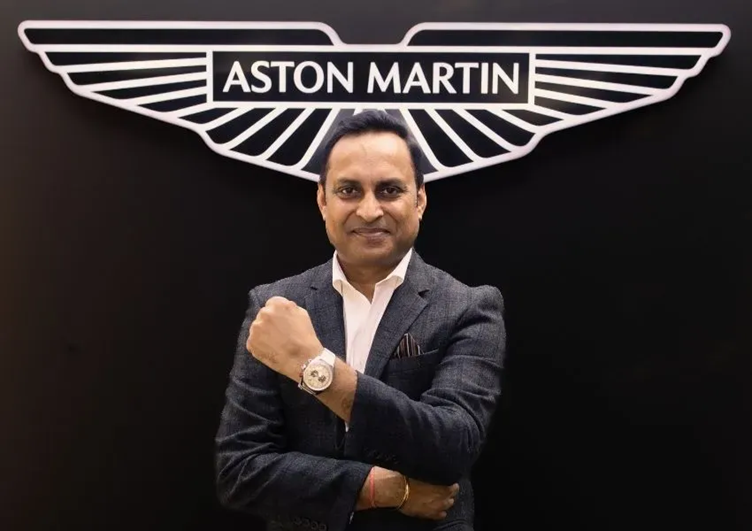
The Aston Martin Gambit: Signalling a New Audience
In December 2025, Timex India launched a collection of Aston Martin watches, priced between ₹17,995 and ₹57,995. The collaboration features 43 models split into two distinct themes: “Timeless” drawing from Aston Martin’s heritage, and “Icon” reflecting contemporary performance design.
The flagship piece, the TRG Automatic, tells you everything about Timex’s new ambitions. It features a skeleton dial inspired by Aston Martin’s DBS GT Zagato wheel rims, housed in a lightweight titanium tonneau case with carbon fibre sides. The stitching on the strap mirrors the pattern found in Aston Martin car seats. Every detail screams automotive luxury.
But here’s what matters more than the product specs: the target customer. Deepak Chhabra, Managing Director of Timex India, noted that Formula One viewership in India has nearly doubled from 31 million followers in 2020 to about 60 million. This isn’t about selling watches to watch collectors it’s about capturing aspirational consumers who follow motorsports, appreciate design-led products, and increasingly see timepieces as fashion statements rather than functional tools.
The partnership makes strategic sense. Chhabra points out that watch ownership in India stands at just 15%, far below the global average of 50%. The market is filled with first-time buyers with rising incomes, and these consumers aren’t looking for their grandfather’s value watch they want pieces that signal taste, success, and cultural relevance.
200 Exclusive Stores: Why Offline Still Matters in the Digital Age
While most brands rush headlong into e-commerce and quick commerce, Timex is making a contrarian bet on physical retail and doubling down. The company currently operates around 40 exclusive stores but plans to add 200 new exclusive stores over the next two years under its Timex World and Just Watches formats.
In an era of 10-minute deliveries and infinite online selection, this seems counterintuitive. Why invest in expensive real estate when consumers can buy watches from their phones?
The answer lies in understanding what premium actually means. Luxury isn’t about convenience it’s about experience. As Chhabra explains, luxury consumers want the boutique experience to wear it, feel it, see it in the mirror. You can’t replicate the weight of a mechanical watch on your wrist or the gleam of sapphire glass under showroom lighting through a smartphone screen.
The exclusive store strategy serves multiple purposes. First, it creates the theatre that premium brands require. Walking into a Just Watches boutique and trying on an Aston Martin timepiece feels fundamentally different from scrolling through product photos on Amazon. Second, it provides the necessary service infrastructure consultations, customizations, after-sales support that justify premium pricing. Third, and perhaps most importantly, it physically manifests the brand transformation in consumer consciousness.
Think about it: when Timex was primarily a value brand, distribution through thousands of mom-and-pop stores made perfect sense. But when you’re selling ₹50,000 watches, those touchpoints need to reflect the product’s positioning. The store itself becomes part of the product promise.
This doesn’t mean Timex is abandoning digital channels. The company is already working with Flipkart Minutes, Amazon’s Tez, and plans to be on Swiggy Instamart, Zepto, and Blinkit. But the offline expansion signals that premium positioning requires a multi-channel strategy where each touchpoint serves a specific purpose.
What This Means for Indian Consumers and Retail
Timex’s transformation reflects three seismic shifts in India’s consumer landscape:
Premium is becoming accessible. The Aston Martin collection occupies what Chhabra calls the “bridge-to-luxury” segment. At ₹17,995 to ₹57,995, these aren’t Rolex prices but they’re not impulse purchases either. The luxury watch segment is witnessing 11-12% annual growth, with premium smartwatches above ₹20,000 seeing a staggering 147% year-over-year growth. There’s a massive emerging market of consumers who want premium products without ultra-luxury price tags.
Watches have evolved from utility to identity. Chhabra notes that watches are no longer timekeeping devices they’ve become fashion accessories, driving people to own multiple watches rather than just one. This psychological shift transforms the entire market dynamic. When watches were purely functional, consumers bought based on accuracy and durability. When they’re identity markers, purchasing decisions become emotional, aspirational, and brand-driven.
Indian retail is fragmenting into distinct experiences. Timex manages multiple brand identities simultaneously value brands like Timex and TMX sold through 5,000+ points of sale, fashion brands with higher e-commerce penetration, and luxury brands requiring boutique experiences. This isn’t contradictory; it’s sophisticated market segmentation. Different products for different occasions, purchased through different channels, serving different emotional needs.
For Indian consumers, this means more choices tailored to specific aspirations and budgets. For retailers, it means the death of one-size-fits-all strategies. Success requires understanding which products demand theatrical offline experiences and which thrive through digital convenience.
The Bigger Picture: This Isn’t About Watches
Strip away the titanium cases and carbon fiber accents, and Timex’s story reveals something more fundamental: how legacy brands can reinvent themselves in emerging markets without abandoning their core identity.
The brilliance of Timex’s approach lies in its refusal to choose between value and premium. While luxury demand dominates conversations, Chhabra reminds us that millions of Indian consumers can still only afford ₹2,000 to ₹3,000 watches, and this base will drive volume-led growth. Timex continues serving this segment with core brands while simultaneously climbing upmarket with collaborations like Aston Martin, Versace, and Guess.
This is portfolio strategy executed with precision. The value segment provides volume, cash flow, and mass-market relevance. The premium segment generates margin, aspiration, and brand elevation. Each feeds the other. The halo effect from Aston Martin collaboration makes even basic Timex watches more desirable by association, while the value segment’s scale provides the infrastructure and market presence that makes premium expansion viable.
What Timex understands and many brands miss is that brand repositioning doesn’t mean brand replacement. It means expansion. Adding new dimensions without erasing what made you relevant in the first place.
This strategy has applications far beyond watches. Any established brand in India’s rapidly evolving consumer market faces similar questions: How do you capture newly affluent consumers without alienating your existing base? How do you premiumize without seeming inauthentic? How do you balance digital convenience with experiential retail?
Timex provides a playbook: anchor your transformation in external partnerships that bring credible premium credentials (Aston Martin’s automotive legacy), create the physical infrastructure to deliver on the premium promise (200 exclusive stores), and maintain a portfolio that serves every segment of a fragmenting market.
The Time is Now
The watch on your wrist has never been about the time. It’s about what the time means what you’re doing with it, who you’re becoming, what you value. Timex India understands this at a molecular level.
Their repositioning arrives at precisely the right moment. India’s disposable income is rising, Formula One viewership is doubling, premium consumption is exploding, and millions of first-time watch buyers are entering the market with aspirations that extend beyond basic functionality. Timex aims to make Aston Martin a minimum ₹50 crore brand in India within two years an ambitious target that would have seemed absurd for a value watch brand just a decade ago.
But this isn’t the old Timex. This is a brand that spent 170 years building trust and reliability, then leveraged that foundation to climb upmarket precisely when the market was ready to follow. The ticking you hear isn’t just watches it’s the sound of brand evolution happening in real-time, one carefully calibrated collaboration at a time.
The real question isn’t whether Timex can pull off this transformation. The early results suggest they already are. The real question is: which other Indian legacy brands will be smart enough to follow the same playbook?
The watch market in India is projected to grow at a CAGR of 5.28% from 2025 to 2033, with the premium segment leading the charge. For brands willing to evolve thoughtfully, the time has never been better.