Emotional Branding in the Creator Economy: Why Brands That “Get It” Win
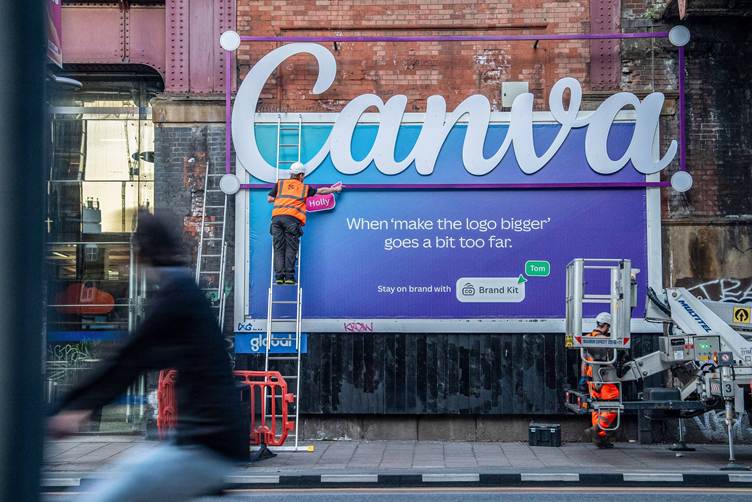
“Make the logo bigger.”
A sentence that has ruined more creative mornings than deadlines ever could. For years, designers have rolled their eyes, bit their tongues, and complied with feedback that felt like it came from someone who learned branding from a 2003 PowerPoint template. It’s the kind of phrase that gets muttered in Slack channels, turned into memes, and whispered like a war story at design conferences.
So, when Canva partnered with Stink Studios to plaster that exact phrase across billboards giant, unapologetic, self-aware it wasn’t just advertising. It was validation. It was a brand saying: we see you, we’ve been there, we get it.
That’s emotional branding in the creator economy. And it’s why some brands become movements while others just become noise.
The Shift: From Aspiration to Recognition
Let’s rewind for a second.
Old branding was aspirational. Brands positioned themselves as the finish line the perfection you were supposed to chase. They showed you the polished version of life: the gleaming kitchen, the wrinkle-free morning, the effortlessly successful entrepreneur who definitely didn’t cry in their car last Tuesday.
The message was clear: We are perfect. Buy this, and you can be too.
New branding—especially in the creator economy is relational. It meets people where they actually are: in the mess, the chaos, the 3 a.m. deadline panic, the “is this even good?” spiral. Creator economy brands don’t pretend to be above the struggle. They’re in it with you.
The message has changed: We know it’s messy. We’re here for it.
That shift isn’t cosmetic. It’s foundational. And it’s rewriting the rules of how brands connect with audiences who can smell inauthenticity from a mile away.
Why Emotional Branding Works in the Creator Economy
1. Creators Live in Public
The creator economy isn’t happening behind closed doors. It’s unfolding in real-time on Twitter threads, TikTok confessionals, Instagram stories filmed at 2 a.m. with bad lighting and good honesty.
When a creator tweets “why does every client think ‘exposure’ pays rent,” that’s not just venting it’s cultural data. When someone posts a Reel about the gap between their LinkedIn profile and their actual mental state, that’s a shared experience waiting to be recognized.
Creators don’t just have struggles. They perform them, process them publicly, and build communities around them. Brands that can tap into that ongoing conversation without being weird or opportunistic about it earn a place in the culture.
2. Shared Pain Builds Tribal Identity
There’s a reason inside jokes is so powerful. They signal belonging.
When Canva references “make the logo bigger,” it’s not just funny it’s a handshake. It tells designers: You’re not crazy. This is a thing. We acknowledge it exists. That acknowledgment is tribal currency. It turns a functional tool into a cultural ally.
When a brand shows it understands the specific frustrations, anxieties, and absurdities of a community, it stops being external. It becomes one of us. And in the creator economy, where trust is fragile and audiences are sophisticated, that shift from “them” to “us” is everything.
3. Humor Feels Human
Corporate tone dies online. The press-release voice, the jargon-heavy LinkedIn speak, the carefully sanitized “excited to announce” energy it all gets scrolled past without a second thought.
Self-aware humor thrives.
Because humor requires honesty. It requires acknowledging the gap between how things are supposed to be and how they actually are. And that gap? That’s where real connection lives.
Brands That Reflect Reality, Not Perfection
🎧 Spotify: Celebrating the Cringe
Spotify Wrapped doesn’t just show you your listening stats. It shows you your truth. The guilty pleasures, the song you played 847 times during your breakup, the niche podcast you’re too embarrassed to mention at parties.
And instead of judging you for it, Spotify celebrates it. Turns it into shareable, colorful, “look how weird I am” content. It doesn’t try to make you look cool. It makes you feel seen. That’s the difference.
🦉 Duolingo: The Chaos of Accountability
Duolingo’s mascot could have been encouraging. Supportive. A gentle reminder to practice your Spanish.
Instead, it became a meme-worthy menace. Passive-aggressive. Mildly threatening. Fully unhinged.
Why does it work? Because it reflects the actual experience of trying to build habits: the guilt, the avoidance, the “I’ll do it tomorrow” loop. Duolingo doesn’t pretend learning a language is a smooth, joyful journey. It leans into the struggle and users love it for that honesty.
🍔 Zomato: Hunger Is Messy, Dating Is Weird
Zomato doesn’t talk about food like its fine dining. It talks about it like it’s 11 p.m. and you’re arguing with your friends about where to order from. Its OOH campaigns and push notifications are dripping with relatable humor: late-night cravings, dating disasters, the existential dread of choosing a restaurant.
It’s not trying to be aspirational. It’s trying to be real. And that realness translates into loyalty.
The 4R Emotional Branding Framework
If you want to build emotional branding that actually lands, here’s a simple model to follow:
1. Recognize the frustration
What’s the thing your audience complains about? What keeps them up at night? What do they joke about in group chats? Find the real pain point not the sanitized version.
2. Reflect it authentically
Don’t sanitize it. Don’t corporate-speak it. Show that you actually understand the nuance of the problem. Use their language. Reference the memes. Prove you’re paying attention.
3. Relieve it subtly with your product
This isn’t about a hard sell. It’s about showing how your product fits into their reality not as a magic fix, but as a tool that makes the mess a little more manageable.
4. Reward the community with validation
Give them something to share. A moment of “finally, someone said it.” Content that makes them feel less alone. That’s the reward and it’s more valuable than any discount code.
Why This Matters Now
Gen Z Rejects Overly Polished Brands
Gen Z grew up watching influencers film “Get Ready with Me” videos in their actual bedrooms. They’ve seen the blooper reels, the “things I wish I knew before” posts, the unfiltered Stories. They don’t trust perfection they trust transparency.
When a brand shows up with airbrushed everything and corporate jargon, it doesn’t feel premium. It feels performative. Out of touch. Trying too hard.
Relatability Beats Aspiration
People don’t want to be sold a fantasy anymore. They want to be understood. They want brands that acknowledge the gap between the Instagram grid and the Camera Roll. Between the LinkedIn headline and the Sunday scaries.
Relatability isn’t about being mediocre. It’s about being honest. And in a world drowning in content, honesty cuts through.
“We Understand” Is Stronger Than “We Are the Best”
The old playbook was dominance. Be the biggest. The most advanced. The premium choice.
The new playbook is empathy. Understand the user’s world so well that your product feels like it was built for them. Not for everyone. Not for some abstract ideal customer. For them, specifically, in all their messy, complicated reality.
That specificity creates devotion. And devotion creates movements.
The Bottom Line
In the creator economy, features get noticed.
But feelings get remembered.
Canva could have run ads about templates and drag-and-drop tools. Instead, they ran a campaign that made designers laugh, feel seen, and think finally, a tool that gets what I go through.
That’s not just good marketing. It’s emotional infrastructure. It’s building a brand that doesn’t just exist in the market it exists in the culture, in the conversations, in the collective frustration and triumph of the people it serves.
The brands that win in the creator economy aren’t the ones shouting the loudest about how great they are.
They’re the ones whispering: We see you. We’ve been there. We get it.
And in a world, that’s constantly performing, that kind of recognition doesn’t just stand out.
It sticks.