
Are Luxury Brands Truly Recession-Proof? Inside The Reality of Brand Resilience
For much of the past year, the global economic narrative has been consistent: inflation remains high, consumers are increasingly cautious, and discretionary spending is slowing. In such an environment, luxury brands were widely expected to face significant pressure, with demand softening as consumers re-evaluate non-essential purchases.
However, recent developments suggest the story is more nuanced than a simple decline in luxury consumption.
The Burberry Case: Challenging the Assumptions
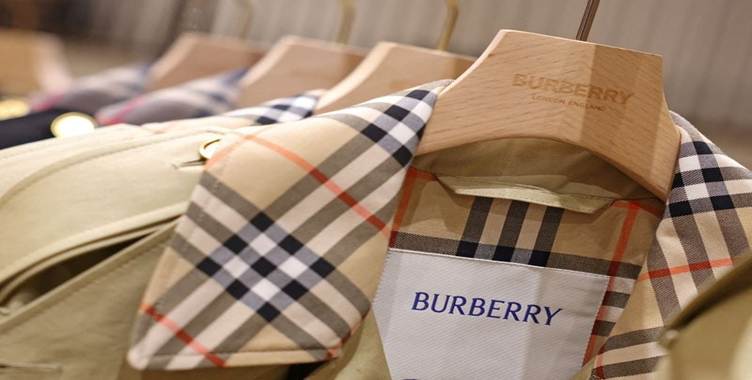
Burberry’s recent holiday performance offers an important counterpoint to the assumption that luxury inevitably suffers during economic downturns. Despite broader macroeconomic headwinds, the brand exceeded holiday sales expectations.
What makes this particularly noteworthy is how Burberry achieved this growth. The performance was not driven by aggressive discounting, short-term promotions, or hype-led campaigns. Instead, it was fuelled by increased shopper traffic, strong brand pull, and sustained demand from key international markets—most notably China.
This highlights a crucial insight: luxury demand may weaken in some regions, but it does not disappear entirely. Instead, it often shifts geographically and strategically.
Luxury Is Not Immune but It Is Unevenly Impacted
It would be inaccurate to claim that luxury brands are completely recession-proof. Economic slowdowns do affect consumer sentiment, even at the premium end of the market. However, luxury brands are also not equally vulnerable.
Brands with:
- Strong brand equity
- Deep emotional resonance with consumers
- Cultural relevance
- A clear understanding of where demand remains resilient
tend to outperform peers during uncertain times.
In Burberry’s case, China continues to serve as a major growth engine, reinforcing the idea that luxury demand persists in markets where consumer confidence and aspirational spending remain strong.
Brand Strength Over Short-Term Tactics
One of the key lessons from Burberry’s performance is that resilience in luxury does not come from short-term tactics like heavy discounting. Instead, it comes from long-term brand building.
Luxury consumers are not just buying products—they are buying identity, heritage, status, and emotional connection. Brands that consistently invest in these dimensions are better positioned to weather economic volatility.
The Real Takeaway
The real takeaway is not that luxury brands are recession-proof.
It is that strong luxury brands with the right strategy are more resilient.
Economic uncertainty does not eliminate demand for luxury—it reshapes it. Brands that can anticipate these shifts, stay culturally relevant, and focus on markets where consumers continue to spend are far more likely to sustain growth.
The Question That Truly Matters
So, the real question is no longer:
“Is luxury dying?”
Instead, it is:
“Which luxury brands are built to survive and adapt during slowdowns?”
In a volatile global economy, resilience belongs not to luxury as a category but to brands that understand their customers, their markets, and the deeper value they represent.