
The Battle for the Skies: Premium Aviation War on the London–Singapore Route
When British Airways unveiled its latest advertising campaign for the London–Singapore route, it wasn’t just marketing—it was a declaration of war. In the rarefied air of premium long-haul aviation, this 6,765-mile corridor has become one of the most fiercely contested battlegrounds in global travel.
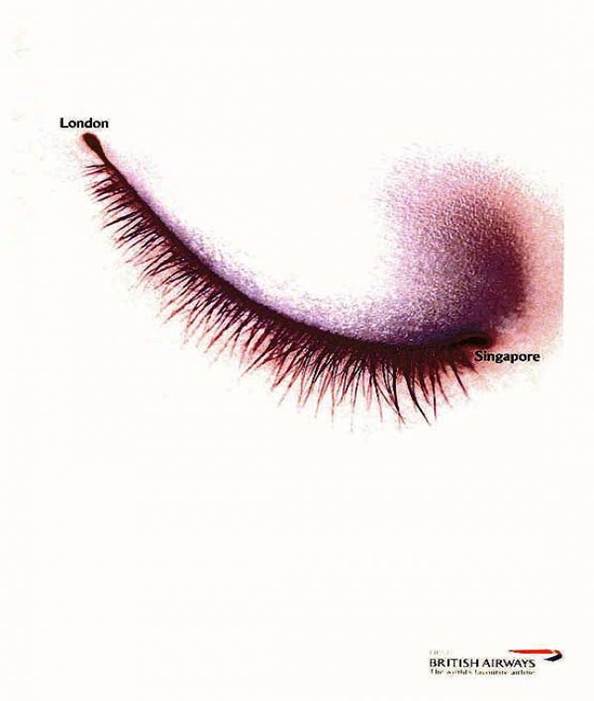
The Stakes: Why London–Singapore Matters
The route connecting two of the world’s premier financial capitals isn’t just another line on the route map. It’s a golden thread woven through the fabric of international business, generating revenue that keeps airlines’ balance sheets healthy.
Premium revenue is king. Long-haul business class seats account for a disproportionate share of airline profitability. While premium passengers might represent 10-15% of travelers on a given flight, they can generate 40-60% of the revenue. On routes like London–Singapore, where flight times exceed 13 hours, the willingness to pay for lie-flat beds, gourmet dining, and exclusive lounges creates a lucrative market that no carrier can afford to ignore.
The financial math is compelling: a single business class ticket from London to Singapore can cost £3,000-5,000 or more, compared to £600-1,000 in economy. Multiply that across daily departures, and you’re looking at millions in incremental revenue annually.
The Post-Pandemic Rebound
Corporate travel between the UK and Asia took a devastating hit during the pandemic, with some estimates suggesting drops of 70-80% at the height of travel restrictions. But the tide has turned.
Companies are resuming face-to-face meetings, financial services firms are rebuilding their Asian presence, and the tech sector’s growth in Singapore has created new waves of business travelers. Law firms, consulting companies, and multinational corporations are once again booking premium cabins for their executives shuttling between these two economic powerhouses.
However, this recovery isn’t a return to 2019—it’s a reset. Hybrid work patterns have made some business travel discretionary, meaning airlines must fight harder for every corporate booking. The travelers who do fly are more discerning, more price-conscious, and more willing to switch carriers for better products or experiences.
The Middle Eastern Threat
Here’s where British Airways faces its sternest challenge. While BA offers a direct flight—undeniably convenient—the Middle Eastern carriers have transformed the competitive landscape with a potent combination: superior luxury products and appealing stopover options.
Emirates, Qatar Airways, and Etihad have invested billions in their premium offerings. Their business class suites feature:
- Fully enclosed private cabins with sliding doors
- beds exceeding 6.5 feet in length
- Michelin-starred chef-designed menus
- extensive champagne and wine selections
- Personal mini-bars and ambient lighting
But it’s not just about the hardware. These carriers offer seamless connections through Dubai, Doha, and Abu Dhabi—gleaming mega-hubs with world-class lounges where passengers can shower, dine, and even sleep during extended layovers. For many travelers, a few extra hours of journey time is a small price to pay for a significantly elevated experience.
The stopover programs sweetens the deal further. Emirates’ Dubai stopover packages and Qatar’s Doha city tours turn a connection into a mini-vacation, adding value that a direct flight simply cannot match.
Singapore Airlines, meanwhile, anchors the Singapore end with its legendary service standards and the iconic Suites product. For many, SQ remains the gold standard against which all others are measured.
British Airways: Fighting Back
BA’s traditional image—comfortable but somewhat staid, reliable but rarely thrilling—has become a liability in this high-stakes environment. The carrier is associated with a certain British reserve, which doesn’t always translate to the wow-factor that premium travelers increasingly expect.
The new advertising campaign signals BA’s recognition that perception must change. The airline is highlighting:
Product enhancements: BA has rolled out its Club Suite on the A350s serving Singapore, featuring direct aisle access for all passengers and a door for privacy—matching competitive offerings that were previously unmatched in the BA fleet.
Service modernization: New dining concepts, improved bedding, and refreshed amenity kits signal that BA understands premium means more than just a flat bed.
The British advantage: There’s subtle pride in the messaging—British service traditions, British Airways’ heritage, and the unmistakable appeal of a direct flight from a carrier that still represents something distinctly British in an increasingly homogenized aviation world.
Lounge investment: Renovations at Heathrow’s Terminal 5 lounges demonstrate commitment to the ground experience, where premium journeys truly begin.
The Verdict: Who Wins?
In truth, there isn’t a single winner in this battle—different travelers have different priorities.
For the time-conscious executive who values every hour, BA’s non-stop flight remains unbeatable. Seven hours saved over a one-stop routing, multiplied across multiple annual trips, adds up to days of productivity gained.
For the experience-seeker willing to invest more time, the Middle Eastern carriers offer superior luxury and the intrigue of a stopover city.
For the loyalist chasing airline status or the passenger with existing British Airways Executive Club points, BA’s direct flight is the obvious choice.
What’s certain is that British Airways can no longer rest on the laurels of being the flag carrier or rely solely on the convenience of direct service. The premium aviation war on the London–Singapore route demands constant innovation, investment, and attention to the evolving expectations of high-value travelers.
As business travel continues its post-pandemic evolution, one thing is clear: the battle for the skies between London and Singapore is far from over. And for travelers, that competition means better products, better service, and better value.
The question isn’t whether British Airways can compete—it’s whether they can consistently deliver an experience that makes travelers choose them over increasingly sophisticated alternatives. The new campaign suggests BA knows exactly what’s at stake.
The premium cabin door has closed. The battle for 35,000 feet is just beginning.