
Why Big Indian Brands Are Suddenly Selling New Things
Why is Kent selling fans now?
You open Amazon looking for a water purifier. You find Kent. Makes sense you’ve trusted Kent for years. But scroll down their page and something feels off. Fans. Air purifiers. Mattresses. Even vegetable purifiers. You blink. When did Kent become an appliance bazaar?
It’s not just Kent. Across India’s consumer landscape, established brands are quietly and sometimes boldly walking into categories they have no business being in. And it’s working.
This isn’t corporate restlessness. It’s a calculated strategy, rooted in one of the oldest assets a brand can have: trust.
It’s happening everywhere. Look closer.
Once you notice it, you can’t stop seeing it. India’s most recognisable brands are expanding not because their core business is failing, but because their brand equity has grown bigger than their product line.
- Patanjali
- Yoga + Ayurveda → Biscuits, noodles, dairy, apparel, and now solar panels
- Tata
- Salt & Steel → Cars, airlines, software, hotels, chips
- Amul
- Butter → Ice cream, chocolates, paneer, pizza, protein shakes
- Boat
- Earphones → Smartwatches, speakers, grooming, gaming peripherals
- Himalaya
- Herbal tablets → Skincare, baby products, pet care, nutrition
- Kent
- Water purifiers → Air purifiers, fans, vegetable purifiers, mattresses
The industries are wildly different. The logic is exactly the same.
Trust, CAC, CLV — and a ceiling no one talks about
Here’s what’s actually going on beneath the surface. Every brand, at some point, hits a growth ceiling in its core category. The market is saturated, competitors are aggressive, and every new customer costs more to acquire than the last.
“Your most expensive customer is a stranger. Your cheapest one already buys from you.”
When a brand has earned a customer’s trust, that customer’s Customer Acquisition Cost (CAC) for the next product is nearly zero. No ads, no convincing, no trial needed. The brand did that work years ago.
Extend this across thousands of loyal customers and you see it clearly: launching a new product to an existing audience is dramatically cheaper than building a new brand from scratch. And if the new product works, it compounds. Every additional purchase raises the customer’s Customer Lifetime Value (CLV) the total revenue a brand earns from one person over their lifetime.
For Indian brands in particular, there’s another layer: India is a trust-scarce market. New products from unknown companies face massive skepticism. But a name like Tata or Amul carries decades of implicit endorsement. That reputation isn’t just emotional it’s an economic moat.
The strategy, then, is elegant: use the trust you’ve built in one room to open the door to another.
Kent → Kühl: A Mini Case Study
Kent built its empire on one promise: pure water. For millions of Indian households, Kent wasn’t just a brand it was the answer to a health anxiety. The purifier sat in the kitchen, quiet and trusted, for years.
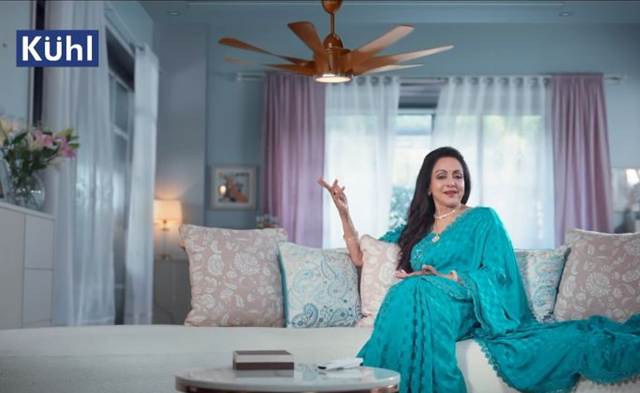
Now Kent has launched Kühl, a premium cooling appliance line. Fans, air coolers products that seem unrelated at first glance. But look at the buyer: it’s the same health-conscious, mid-to-upper-income Indian household that already owns a Kent purifier. They already believe Kent when it says “pure.” Now Kent is saying “comfortable and safe living.” The ask isn’t that different.
The masterstroke is the sub-brand. Kühl keeps its own identity modern, aspirational, premium while quietly benefiting from Kent’s distribution network and customer trust. If Kühl fails, Kent’s core image is protected. If it succeeds, Kent has built a second revenue engine.
The lesson: Adjacency matters. Kent didn’t launch furniture or software. It launched products that live in the same home, solve similar problems, and speak to the same customer anxiety around health and comfort.
When this strategy falls flat
Brand extension is not a guaranteed cheat code. For every Tata that pulls it off across dozens of categories, there’s a cautionary tale. The strategy fails often spectacularly when brands forget that trust is category-specific, not universal.
WHEN IT GOES WRONG
The new product is too far from the brand’s core identity (a water purifier brand launching fashion clothing, for instance).
Quality of the new product doesn’t match the reputation customers have been trained to expect one bad experience poisons the well for everything else.
The brand stretches into too many categories too fast, losing clarity about what it actually stands for.
The extension enters a category dominated by deeply entrenched specialists the new player can’t match their expertise or pricing.
Marketing assumes customers will automatically follow. They won’t trust opens the door, but the product still has to earn its place.
The graveyard of failed brand extensions teaches one consistent lesson: trust is on loan, not a blank cheque. Every new category is a new audition.
The smartest growth move isn’t always finding new customers.
Sometimes it’s giving your existing ones more reason to stay.