
From Farm to Fame: How Lay’s is Rebranding Transparency
What happens when a snack brand stops hiding its supply chain and starts telling a story instead?
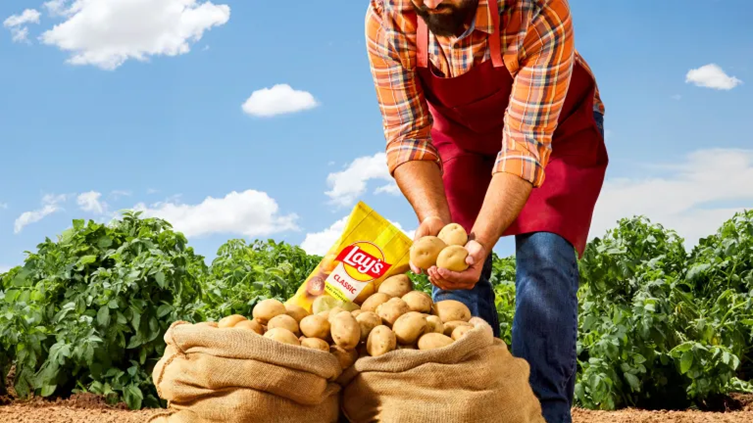
Pick up a packet of Lay’s today and you might notice something different. There’s a farmer’s name on it. A field location. A quiet promise that says: we know where this came from, and now, so do you.
That’s not a small shift. That’s a brand rethinking its entire identity.
For decades, Lay’s was simple. Bright yellow bag. Salty crunch. A catchy tagline. That was enough. But in today’s world, where consumers read labels, question ingredients, and care about the planet, “good enough” no longer cuts it. Lay’s owned by PepsiCo has begun one of the more interesting brand pivots in the FMCG space: from anonymous snack giant to transparent, farm-connected, sustainability-led brand.
The Story of the Potato
It starts with something deceptively simple the potato.
Lays have leaned hard into farm storytelling. Rather than treating potatoes as a generic raw material, the brand has started putting farmers front and centre. Campaigns have featured real farmers by name, by face, by region to show consumers that every chip has a human story behind it.
This isn’t just good marketing. It’s a trust mechanism. When you can trace your food back to a specific farm in Punjab or Idaho, it stops feeling like factory output and starts feeling like something someone made. That emotional shift is incredibly powerful, especially for a product that’s been mass-produced for over 70 years.
Traceability as Trust
Transparency in food is no longer a nice-to-have. It’s becoming an expectation.
Younger consumers Gen Z and millennials especially want to know what’s in their food, where it came from, and whether the people who grew it were treated fairly. Brands that can answer these questions earn loyalty. Brands that can’t are increasingly viewed with suspicion.
Lays have started using QR codes and digital campaigns that let consumers trace their bag back through the supply chain. Think of it like a passport for your packet of chips each one stamped with its origin story. This kind of traceability builds credibility in ways that no advertisement can.
It also gives Lay’s something rare: proof. Not just a claim on a packet, but a verifiable chain of facts.
Rethinking the Packet Itself
Then there’s the packaging problem. Single-use plastic has long been one of FMCG’s most stubborn challenges, and crisp packets with their multi-layer foil lining are notoriously difficult to recycle.
Lays have made public commitments around sustainable packaging, with goals to move toward recyclable, compostable, or reduced-plastic packaging globally. While the industry still has a long road ahead, the direction is clear. And importantly, Lay’s is talking about it inviting consumers into the conversation rather than quietly continuing as usual.
Packaging sustainability is now part of the brand narrative, not an afterthought.
Why FMCG Brands Are Humanising Supply Chains
Lays aren’t doing this alone. Across the FMCG sector from Nestlé to Unilever to local D2C snack brands there’s a broad movement to humanise the supply chain.
Why? Because faceless corporations are losing the culture war. People want to buy from brands they believe in. Brands that share their values. Brands that treat workers well, care about the environment, and don’t hide behind glossy packaging.
Humanising the supply chain is how big brands fight back against the intimacy advantage that small, artisan brands naturally have. If Lay’s can make you feel like you’re supporting a farming family in rural India, it closes that gap.
Final Thought
Lay’s rebranding of transparency is really a lesson in modern brand building: authenticity is the new advertising.
Telling the truth about where your ingredients come from, what you’re doing about your packaging, who grows your crops turns a snack into something people can believe in.
The farm was always there. Lay’s is just finally letting you see it.
And honestly? That’s worth more than any celebrity endorsement.