What Happens When a D2C Founder Steps Down? The Bewakoof Transition Story
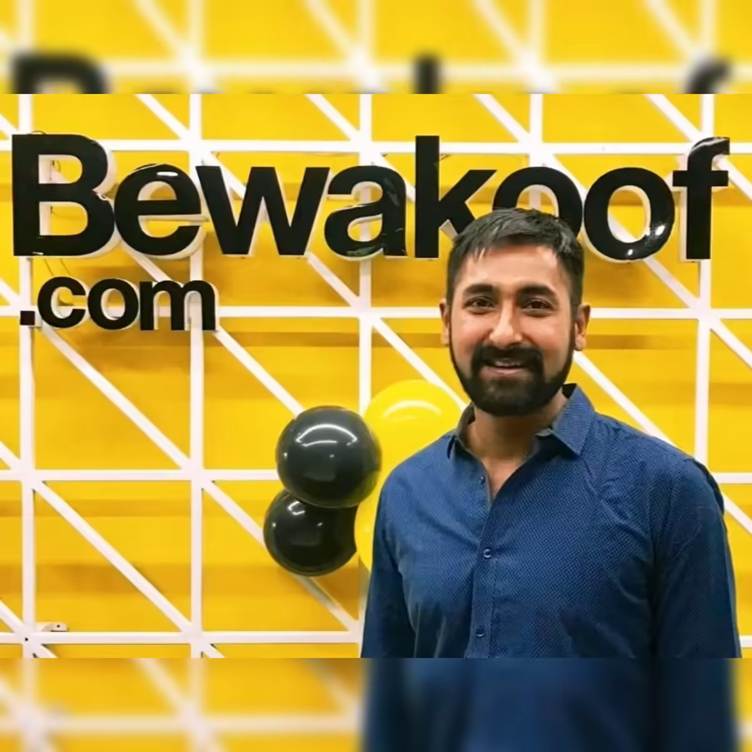
Prabhkiran Singh stepping down as CEO of Bewakoof isn’t just another leadership change it’s a watershed moment for India’s direct-to-consumer ecosystem. When founders exit brands they built from scratch, it signals something bigger: the shift from scrappy startup to scalable institution.
The Founder’s Dilemma
Bewakoof scaled to ₹400+ crore in revenue under Singh’s leadership. But scale brings new challenges. The skills that build a brand creative vision, hustle, gut instinct aren’t always the skills that sustain it at ₹1,000 crore.
Founders are builders. They thrive in chaos, make decisions fast, and carry the brand’s DNA in their bones. But institutional growth demands different muscles: process discipline, organizational structure, predictable governance. The very things that feel bureaucratic to a founder are what investors and boards want at scale.
This isn’t failure. It’s evolution.
The Emotional vs Institutional Divide
For founder-led brands, every decision is personal. The logo, the tone, the product line—it’s all an extension of the founder’s identity. That emotional stake creates magic in early stages. Customers feel the authenticity. The brand has soul.
But emotion doesn’t scale cleanly. Professional managers bring detachment—a feature, not a bug. They optimize without sentiment, restructure without guilt, and pivot without identity crisis. They see the brand as a business asset, not a personal legacy.
The transition from one to the other is rarely smooth. It requires founders to let go, boards to trust new leadership, and teams to adjust to different decision-making styles.
Why Founders Exit After Scale
Three reasons drive founder exits at the growth stage:
Burnout is real. Building a brand from zero to unicorn territory is exhausting. A decade of 80-hour weeks, constant firefighting, and carrying the weight of hundreds of employees takes a toll.
Skill mismatch emerges. Early-stage requires vision and speed. Growth-stage requires execution and discipline. Few founders excel at both. Singh likely recognized this gap a mark of self-awareness, not weakness.
Investor pressure mounts. Once institutional capital enters, the game changes. VCs want returns, not passion projects. They push for professional management, especially when eyeing exits or IPOs.
The Indian D2C Maturity Signal
Bewakoofs transition mirrors what happened in the US a decade ago founders stepping back as D2C brands professionalized. Warby Parker, Glossier, Casper all went through similar shifts.
India is catching up. The first wave of D2C founders-built brands; the second wave will scale them. This founder-to-CEO transition is a maturity marker. It shows Indian D2C is moving from hype to sustainable business models.
What’s Next?
The real test isn’t Singh’s exit it’s what happens next. Can Bewakoof maintain its brand identity while adding operational rigor? Can new leadership balance growth with culture? Will the soul survive the scale?
For India’s D2C ecosystem, Bewakoof is a case study in progress. Founder exits aren’t endings. They’re inflection points. And how brands navigate them will define the next chapter of Indian e-commerce.
The question isn’t whether founders should exit. It’s whether their brands can outlive them.