
Shock Marketing Strategy: How Durex’s Toy Car Campaign Captured Attention
In a world where consumers scroll past thousands of ads every single day, breaking through the noise requires more than clever copy or high production value—it demands audacity. Few brands understand this better than Durex, the global condom brand that has built its identity around boldness, wit, and cultural relevance. One of its most talked-about ideas in recent memory was the provocative “toy car in the condom pack” concept, paired with the darkly humorous line: “If something goes wrong, at least the kid gets a toy.”
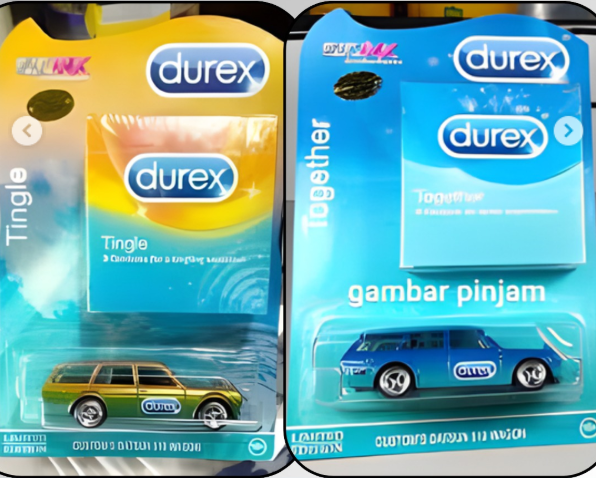
Dark? Absolutely.
Uncomfortable? Intentionally so.
Effective? That’s precisely why it worked.
At first glance, the campaign feels like pure shock value. But beneath that surface-level provocation lies a carefully calculated strategy rooted in psychology, brand consistency, and a deep understanding of audience behavior. It wasn’t just about getting attention—it was about owning a taboo category and turning discomfort into memorability.
The Concept: Simple, Physical, Unforgettable
The idea was deceptively simple. Select condom packages included a miniature toy car inside. The message was clear without being explicit: if contraception fails, you might need that toy sooner than expected.
On the surface, it functioned as dark humor about unplanned parenthood. But strategically, it operated on multiple levels:
1. The Surface Message
A tongue-in-cheek nod to the “worst-case scenario” of contraceptive failure. It addressed a real anxiety that exists in the minds of consumers but is rarely spoken aloud in advertising.
2. The Core Brand Reinforcement
Condoms are about protection. By referencing what happens if something goes wrong, Durex reinforced the importance of reliability. The inclusion of a child’s toy inside contraceptive packaging created sharp cognitive contrast—childhood innocence alongside adult responsibility.
3. The Emotional Trigger
The campaign combined humor with genuine concern. It didn’t lecture. It didn’t moralize. Instead, it invited audiences to confront a serious topic through wit.
What made it especially powerful was its physicality. Unlike a digital ad that disappears with a swipe, this was tangible. Consumers could hold it, photograph it, and share it. The product itself became the media channel. In a social-first era, that kind of built-in shareability is invaluable.
Why Shock Marketing Works
Shock marketing works because it disrupts mental autopilot.
Humans are pattern-recognition machines. We filter information constantly to avoid overload. Advertising, especially in crowded categories, becomes invisible background noise. Most campaigns fail not because they’re bad—but because they’re ignorable.
Shock breaks that filter.
In traditional marketing theory, the AIDA framework (Attention, Interest, Desire, Action) starts with attention. Without attention, nothing else matters. Shock marketing forces attention instantly. It interrupts routine thinking and demands processing.
But attention alone isn’t enough. What makes shock marketing powerful is emotional arousal. Neuroscience shows that emotionally charged experiences are encoded more deeply into memory. When something makes you laugh, cringe, gasp, or feel slightly uncomfortable, your brain treats it as important.
The toy car campaign did exactly that. It made people feel something about condoms—an otherwise awkward, functional product category. In doing so, it elevated Durex from commodity to cultural conversation.
The Psychology Behind the Campaign
The effectiveness of the toy car concept rests on several psychological principles.
Cognitive Dissonance
Placing a child’s toy inside a condom pack creates tension between two conflicting ideas: prevention and consequence. This discomfort forces the brain to resolve the contradiction. In resolving it, the consumer engages more deeply with the message.
Humor as a Defense Mechanism
Sexual health advertising can feel preachy or uncomfortable. Humor lowers psychological defenses. Dark humor, in particular, allows people to engage with serious topics without feeling judged. It turns an awkward conversation into a shareable joke.
Risk Perception Amplification
By subtly highlighting the possibility of contraceptive failure, Durex increases awareness of risk—while simultaneously positioning itself as the responsible solution. Acknowledging potential failure paradoxically strengthens credibility.
The Availability Heuristic
People assess likelihood based on how easily examples come to mind. A vivid, memorable image of a toy inside a condom pack makes the “what if” scenario more mentally available. That increased salience can influence purchase decisions later.
The campaign wasn’t random provocation. It was behavioral science packaged in plastic.
Owning the Taboo
This campaign worked because Durex has spent decades earning the right to push boundaries.
Sexual health remains a socially sensitive category in many cultures. Brands that attempt to be provocative without credibility often face backlash. Durex, however, operates squarely within its permission territory.
Over time, it has built a reputation for:
- Openly discussing safe sex
- Using double entendre and playful language
- Engaging younger audiences on social media
- Supporting broader conversations about sexual responsibility
Because of that history, audiences expect boldness from Durex. When it shocks, it feels on-brand rather than attention-seeking.
Consistency matters. A conservative financial institution attempting the same stunt would likely be accused of tastelessness. For Durex, it feels like a natural extension of brand personality.
The Virality Multiplier
Shock marketing thrives in a social media ecosystem.
People share content that:
- Makes them laugh
- Makes others uncomfortable
- Sparks debate
- Signals cultural awareness
The toy car packaging was inherently shareable. It invited photos. It invited commentary. It invited discussion about whether it was clever or offensive.
Each share extended the campaign’s reach organically. The audience became the amplifier.
Importantly, the controversy itself fueled visibility. Shock marketing doesn’t avoid criticism—it leverages it. Debates generate impressions. Discussions sustain relevance.
The Risks of Playing with Fire
Shock marketing is high-risk territory. For every campaign that goes viral positively, others implode.
Cultural Backlash
Humor is culturally contextual. What feels witty in one market may feel insensitive in another. References to unplanned pregnancy could be interpreted as trivializing serious life circumstances.
Brand Erosion
If provocation feels gratuitous, audiences may perceive the brand as crass or irresponsible. Trust is especially critical in healthcare-related categories. Overstepping can damage long-term credibility.
Regulatory Constraints
Sexual health advertising is tightly regulated in many regions. Messaging that pushes boundaries may face legal scrutiny or distribution limitations.
Escalation Trap
Shock marketing raises expectations. Once audiences associate a brand with boldness, maintaining that reputation requires increasingly daring ideas. This creates a treadmill effect—each campaign must outdo the last.
Durex walks a fine line. The toy car concept succeeded because it was suggestive rather than explicit, humorous rather than graphic.
Strategic Lessons for Modern Brands
The campaign offers broader lessons beyond the condom category.
1. Earn Your Boldness: Provocation must be rooted in authentic brand territory. Without credibility, shock feels desperate.
2. Tie Shock to Purpose: The best controversial campaigns reinforce core value propositions. The toy car wasn’t random—it emphasized protection.
3. Understand Your Audience: Younger, digitally native consumers are often more receptive to irreverent humor. Segmentation matters.
4. Design for Shareability: In the modern landscape, the product itself can be media. Tangibility increases virality.
5. Prepare for Backlash: Any provocative campaign requires crisis planning. Know what criticism you’re willing to absorb—and where you draw the line.
6. Balance Provocation with Substance: Shock gets attention. Product performance builds loyalty. One without the other is unsustainable.
Beyond Shock: Strategic Audacity
What makes the toy car campaign compelling isn’t simply its edginess—it’s its strategic clarity. It demonstrates how a brand can transform discomfort into memorability without losing sight of its core responsibility.
In an attention economy saturated with polished but forgettable messaging, safe advertising often becomes invisible advertising. Durex chose the opposite path. It embraced awkwardness, confronted risk directly, and trusted its audience to understand the joke.
The result was a campaign that did more than entertain. It reinforced brand positioning, sparked conversation, and reminded consumers of the serious stakes behind a seemingly simple purchase.
Shock marketing, when executed carelessly, damages brands. When executed with discipline and purpose, it can elevate them.
The toy car concept represents shock deployed with precision—provocative enough to demand attention, clever enough to encourage sharing, and strategic enough to reinforce trust. It’s a reminder that boldness is most powerful not when it exists for its own sake, but when it serves a clear, meaningful objective.
In the end, the lesson isn’t that brands should aim to shock. It’s that they should aim to matter. And sometimes, in a world numb to ordinary messaging, the only way to matter is to make people pause, laugh nervously, and think twice.
That’s not just shock marketing.
That’s shock, done right.