
Predatory Pricing or Long-Term Vision? The IKEA India Debate
Is IKEA’s ₹1,325 crore loss a red flag — or a textbook market entry strategy?
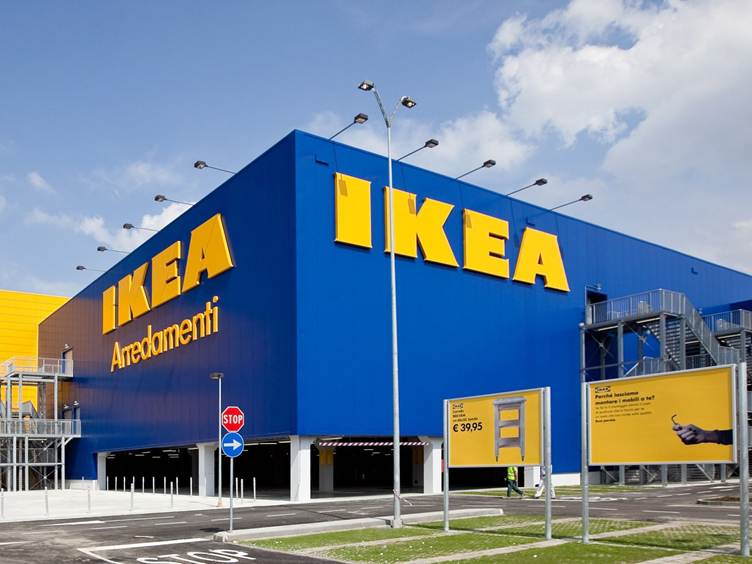
When a company reports losses year after year, the natural reaction is concern. But when that company is IKEA, one of the world’s most profitable retailers, the story deserves a closer look. IKEA’s ₹1,325 crore loss in India isn’t an accident it may well be the plan.
Losing Money on Purpose
Global giants entering new markets often operate on a simple but counterintuitive principle: spend aggressively now to own the market later. Amazon did it in India for nearly a decade. Uber burned billions across Southeast Asia. Netflix priced subscriptions below cost in emerging markets to build subscriber bases before gradually raising prices.
IKEA’s India playbook looks strikingly similar. The Swedish furniture major has invested heavily in large-format stores, supply chain infrastructure, and aggressive pricing — often selling products at thin margins to attract first-time buyers. The losses aren’t a sign of failure; they’re the cost of seeding a market.
The “Lose Now, Win Later” Model
This approach has a name in business strategy: penetration pricing combined with long-horizon thinking. The idea is straightforward enter a market where consumer habits don’t yet exist for your product category, build them, and reap the rewards once loyalty and scale kick in.
India’s furniture market is largely unorganized. Most Indians still buy from local carpenters or neighborhood stores. IKEA isn’t just competing with existing players; it’s trying to shift behavior entirely. That kind of cultural shift takes time, money, and patience all things IKEA’s parent company, Ingka Group, has demonstrated across decades of global expansion.
Network Effects and the Retail Ecosystem
IKEA’s strategy isn’t just about selling sofas. Every store it opens creates a ripple. It pulls in foot traffic, which attracts complementary businesses around it. Its supply chain which increasingly sources from Indian manufacturers — creates backward linkages that benefit local industries. Its restaurants and in-store experiences build brand familiarity beyond the product.
This is the network effect at play in retail. The more touchpoints IKEA creates with Indian consumers through stores, its app, online channels, and affordable food the stickier its brand becomes. Losses today are, in effect, investments in future customer lifetime value.
Are MSMEs Under Threat?
Here’s where the debate gets more nuanced. Critics argue that IKEA’s deep pockets and ability to absorb losses give it an unfair advantage over small furniture makers and local retailers who simply cannot match its pricing or scale.
That concern is not without merit. Local artisans and small furniture businesses operate on thin margins with no safety net. If IKEA captures a significant share of urban middle-class buyers, some of these players will struggle.
But is that predatory pricing or simply competitive capitalism? IKEA’s prices aren’t artificially low to eliminate competition and then spike later. Its cost efficiency comes from genuine scale, global supply chains, and flat-pack design innovation. When consumers get better quality at lower prices, that’s the market working as intended.
Moreover, IKEA has committed to sourcing a growing share of its products from Indian MSMEs and artisans, creating opportunity alongside disruption.
The Verdict
IKEA’s losses in India are neither a red flag nor a scandal. They reflect a calculated, long-term bet on one of the world’s fastest-growing consumer markets. The real question isn’t whether IKEA will eventually turn profitable in India history says it will. The question is how Indian businesses, policymakers, and consumers choose to engage with that reality.
Competition, even from giants, has a way of raising the bar for everyone. The smarter move for local players isn’t to resist IKEA’s entry it’s to find the gaps it can’t fill.
The furniture market is changing. In India, IKEA isn’t just selling shelves it’s building one.